Understanding the History Before You Arrive
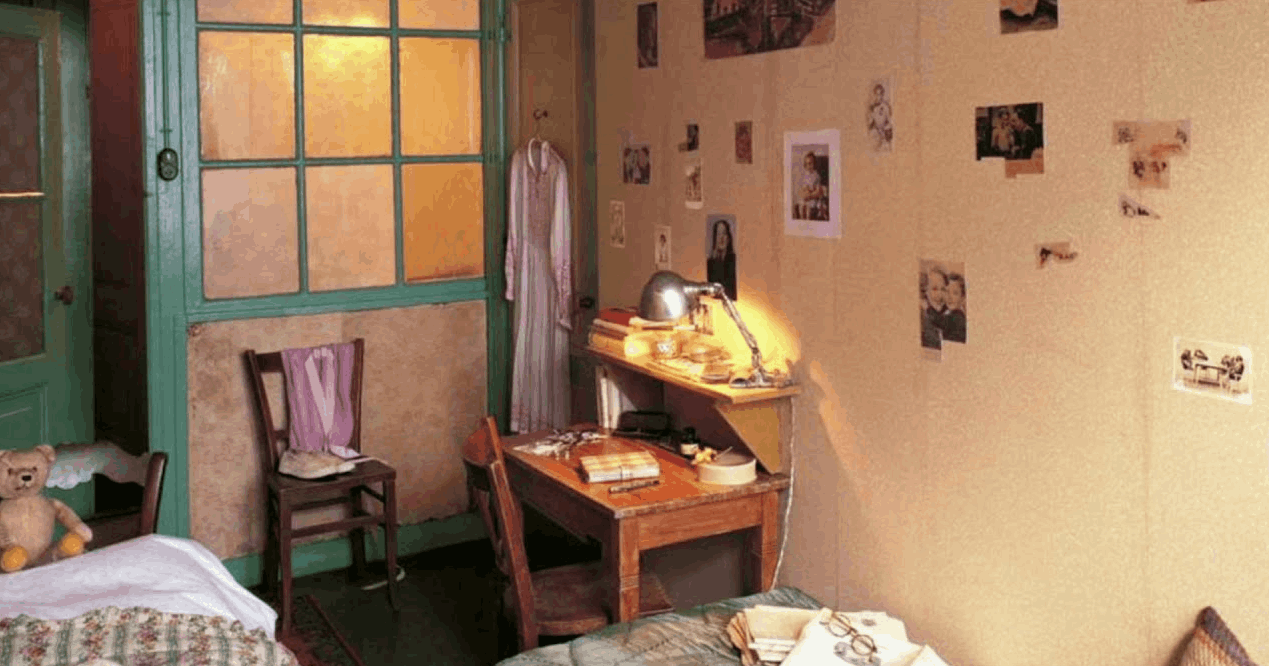
Reading Anne Frank's diary before visiting the museum adds depth and context to everything you will see inside the secret annex. The diary provides an intimate window into Anne's thoughts, emotions, and observations during the two years her family lived in hiding. Readers come to know Anne not just as a historical figure but as a talented writer and a young person with dreams, frustrations, and remarkable insight. Familiarity with her words allows visitors to recognize moments from the diary when they stand in the actual spaces where those events occurred. The emotional resonance of the visit is significantly heightened when the diary has been read beforehand.
Beyond the diary itself, understanding the broader historical context of the Holocaust and the occupation of the Netherlands enriches the visit considerably. The Nazi invasion of the Netherlands began in May 1940, fundamentally altering life for Dutch Jews in ways that escalated rapidly over the following two years. The Frank family went into hiding in July 1942 after Margot Frank received a call-up notice for deportation to a labor camp. Understanding the progression from occupation to persecution to deportation helps visitors grasp the urgency and fear that drove families into hiding. The museum's exhibition provides this context, but arriving with background knowledge allows for deeper engagement with the spaces themselves.
The story of the helpers who supported those in hiding is an essential part of understanding how survival was possible in the secret annex. Otto Frank's former employees, including Miep Gies and Victor Kugler, risked their own lives to bring food, supplies, and news to the eight people hidden in the building. These individuals made the difficult choice to act with courage and compassion despite the grave personal risks involved. Learning about their contributions before your visit allows you to recognize the spaces where they worked and understand their essential role in the story. The helpers' actions remind visitors that even in terrible circumstances, individuals can choose to resist hatred through small, meaningful acts of humanity.
Visitors who have secured anne frank house tickets can also prepare by learning about the individuals who shared the hiding space beyond the Frank family. The van Pels family, consisting of Hermann, Auguste, and their son Peter, joined the Franks in the annex shortly after they arrived. Fritz Pfeffer, a dentist and acquaintance of the Frank family, joined the group later, occupying the room that Anne wrote about sharing with him. Each of these eight individuals had their own story, their own personality, and their own fate after the annex was discovered. Approaching the visit with knowledge of all eight residents makes the space feel populated with real people rather than distant historical figures.
The story of what happened after the annex was discovered completes the narrative that the museum presents to visitors. The eight residents were arrested on August 4, 1944, and deported to concentration camps, with only Otto Frank surviving the war. Miep Gies saved Anne's diary and other papers from the annex, keeping them in her desk drawer in the hope of returning them to Anne after the war. Otto Frank dedicated the remaining years of his life to sharing Anne's words with the world, fulfilling her wish to continue living after her death. Visitors who arrive with this full understanding of the story are able to move through the museum with a comprehensive sense of the history they are encountering.